Fractional CTO for difficult technical work.
I work with founders and technology leaders across AU and APAC.
I help teams get stalled products shipped, make sound architecture decisions, and prepare for technical diligence. I also help teams work out where AI is useful, where ordinary software is better, and how to test what they put into production.
A production review in practice
Trusted by






When does a fractional CTO make sense?
Your platform has been in build for months and hasn't shipped. You suspect the problem isn't the team, but you're not sure what it is.
Your architecture made sense at MVP. Now it's slowing everything down, and you're not sure whether to fix it or start over.
You're heading into a raise and your technical story needs to be airtight. You can't afford for diligence to surface things you didn't know about.
Something went wrong. Security incident, data issue, compliance gap. You need someone who's been here before.
You need senior technical leadership and hands-on capability, but a full-time CTO isn't the right move yet.
Your team is writing code faster with AI tools, but review, testing, and security have not kept pace. You need a delivery process designed for the way the team now works.
What I find when I look
Technical Assessment — Vela
Code, infrastructure, product, team & compliance · September 2026
13 areas assessed
150+ findings
Technical Assessment — Vela
Code, infrastructure, product, team & compliance · September 2026
13 areas assessed
150+ findings
How I can help.
AI is useful when it solves the right problem.
LLMs are good at working with unstructured information, classifying text, and handling tasks that are too expensive to do by hand. They are a poor substitute for ordinary code when the rules are known and the answer needs to be predictable.
Getting a demo working is usually straightforward. Production needs clear success criteria, representative evals, user feedback, and deterministic checks around the parts that cannot be trusted to behave the same way every time.
Review according to risk
A small, familiar change should move quickly. Authentication, payments, and data access need more scrutiny. Automated review can sort changes by risk and give human reviewers the context they need.
Run security continuously
Deterministic scanners catch known problems well. LLM review can look for less obvious issues across authentication, data flow, and permissions. Findings go into the team's normal issue tracker and are checked by a person before work begins.
Write the rules down
Coding conventions, architecture decisions, and security requirements belong in the repository. People and coding agents can then work from the same rules, while CI checks the parts that can be tested deterministically.
In practice
A production bug affecting 40% of users went from confirmed finding to a merge-ready fix in under an hour.
AI helped investigate the bug and implement the fix. Tests, architecture review, security checks, and CI still ran. The speed came from making the review loop efficient, not from skipping it.
Outcomes
What clients say.
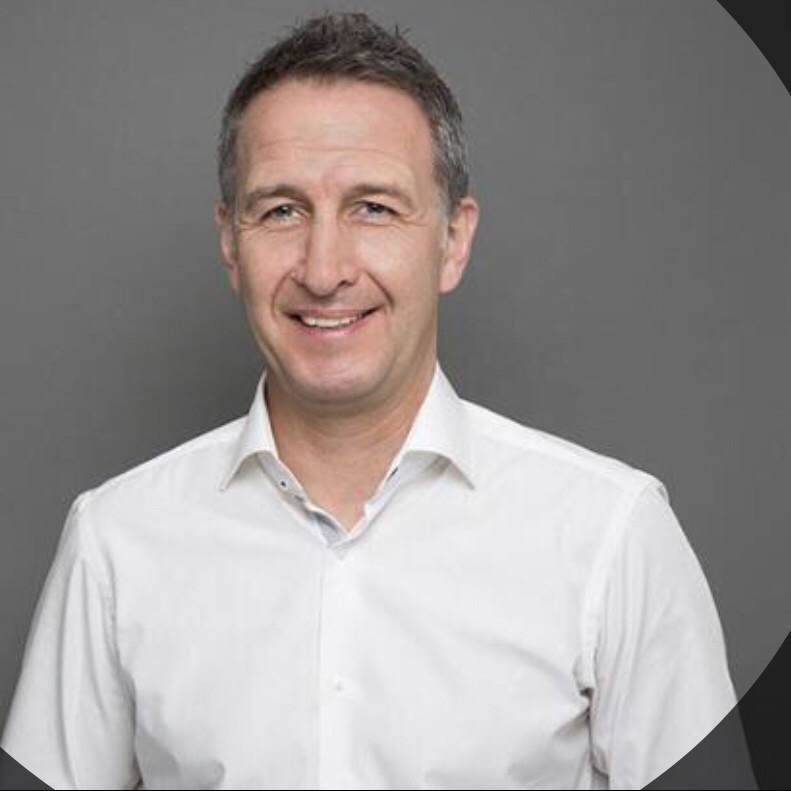



About Shariq

I've been building and fixing software systems for 25 years. Starting on Unix, C, and shell scripts, working through trading systems, core banking, enterprise SaaS, and now startup and scaleup technology.
The thread through all of it: I'm most useful when the stakes are high and the situation is messy. Stalled delivery, fragile architecture, teams that need restructuring, platforms that should have launched months ago. That's where I do my best work.
Over the last three years, that's become the core of what I do: coming in when things are broken, finding what's actually wrong, fixing it, and leaving behind something better than I found.
Recently, much of that work has involved helping teams use AI in software delivery. I start with the simplest useful change, measure whether it helps, and keep tests, security checks, and human review around anything probabilistic.
Based in Melbourne. Working across AU and APAC.
If that sounds like what you need, let's talk.